
Introduction to Modern Forensic Science
Forensic science is very important in current investigations because it helps police, labs, and researchers find facts using scientific procedures. DNA forensic testing, fingerprint analysis tools, and specialized examination kits are some of the most reliable technologies in this discipline. These procedures assist connect suspects to crime sites, figure out who the victims are, and check evidence for correctness. Over time, technology has made things more reliable, but it has also created problems like regulations for equipment and worries about product safety. This is where things like the csi fingerprint examination kit recall come in handy. Professionals and students alike need to know how forensic tools work, what their limits are, and why quality control is so important. This page gives a concise and instructive summary of these related topics: dna forensic testing, the purpose and use of a csi fingerprint examination kit, and the effects of a csi fingerprint examination kit recall.
What is DNA testing for forensic purposes?
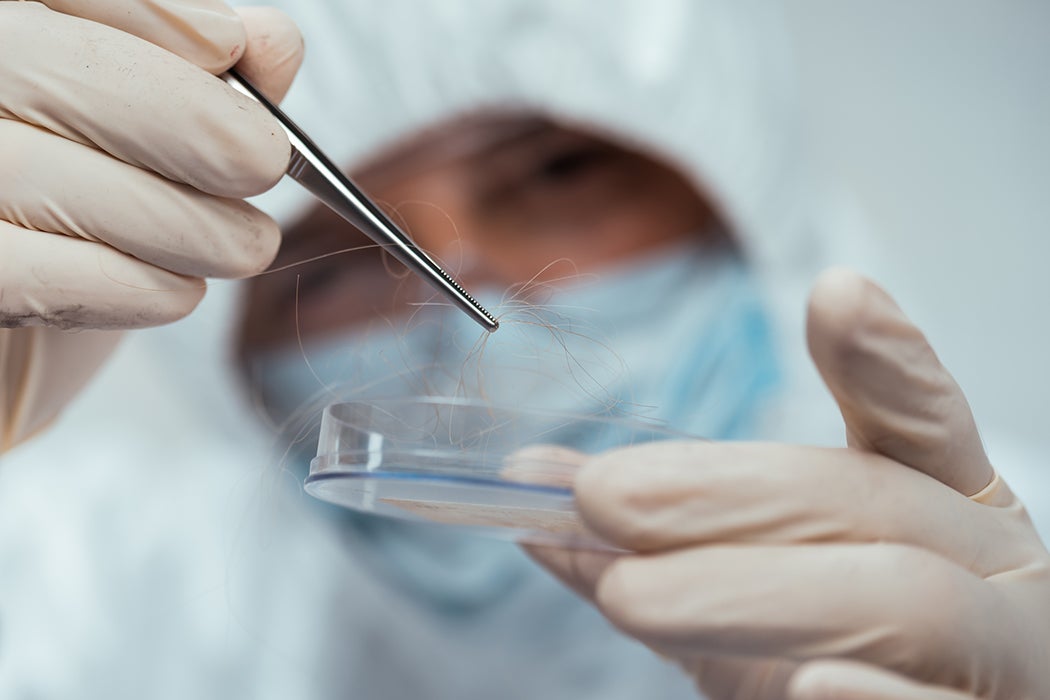
DNA forensic testing is a scientific method for looking at genetic material taken from crime scenes, victims, or suspects. This test looks for unique genetic markers in DNA to figure out who someone is or how they are related to someone else. DNA forensic testing is one of the most accurate forensic tools because no two people have the same DNA profile (unless identical twins). People often utilize it in criminal cases, to find missing people, to identify disaster victims, and to test for paternity. In labs, samples like blood, saliva, hair, or skin cells are carefully collected and processed. Forensic DNA testing is only accurate if the samples are collected, stored, and analyzed correctly. When combined with fingerprint analysis, it makes cases stronger by giving both biological and physical evidence. This makes forensic judgments more dependable and easier to defend in court.
The Importance of Fingerprint Analysis in Crime Scene Investigation
Fingerprint analysis is still an important part of forensic science since it is easy to do and works well. Fingerprints are distinctive, last a long time, and may easily be transferred to other surfaces, which makes them useful evidence. To gather, keep, and study latent fingerprints at crime scenes, investigators commonly use gear like a csi fingerprint testing kit. DNA forensic testing looks at biological evidence, while fingerprint examination looks at physical impressions that people leave behind. These two strategies work well together because they provide you different ways to identify yourself. A csi fingerprint testing kit usually has powders, brushes, lifting tapes, and papers for recording information. If you handle these kits correctly, you can get accurate results and avoid contamination. When used with DNA forensic testing, fingerprint evidence helps make the story of a crime more full and believable.
How to Use the CSI Fingerprint Examination Kit
A csi fingerprint testing kit is made to help detectives find and gather fingerprints from different surfaces. People use these kits a lot for training, in schools, and in real-life investigations. Fingerprint powders in different colors, fiberglass or magnetic brushes, lifting cards, and evidence labels are all common parts. The quality of the materials in a csi fingerprint examination kit and how the user uses them will determine how well it works. These kits help investigators see fingerprints that are not apparent to the human eye. A csi fingerprint inspection kit can keep fragile fingerprint patterns for later comparison and database matching if used correctly. These kits are an important part of collecting and analyzing forensic evidence, along with DNA forensic testing.
Why the Quality of Equipment is Important in Forensic Testing
The quality of the tools and methods used to collect evidence has a big impact on how accurate forensic work is. To avoid contamination or misinterpretation, both DNA forensic testing and fingerprint analysis need to follow very tight rules. A badly made csi fingerprint examination kit can ruin evidence, which can lead to wrong conclusions. This is why it is important to test, certify, and make sure that forensic equipment are of good quality. Forensic results are more reliable when labs and investigators trust their tools. Forensic DNA testing also needs established lab procedures and well-maintained tools. Any problem with gear or methods can change the results. This is why forensic specialists need to keep up with news regarding equipment updates, recalls, and safety notifications for products like the csi fingerprint examination kit.
What does it mean to have a CSI fingerprint examination kit recall?
When a manufacturer finds a problem, safety hazard, or quality concern in a csi fingerprint examination kit that has already been sent out, they issue a recall. This could mean that the powders are bad, the materials are dirty, or the parts are broken, all of which can influence performance. It’s not unusual for technological fields to have to recall a csi fingerprint examination kit because problems may come up after it has been released. These kinds of recalls are made to keep users safe and make sure the evidence is correct. When a csi fingerprint examination kit recall is announced, customers should cease using the kit right away and follow the manufacturer’s instructions for getting a new one or throwing it away. It’s just as vital to stay up to date with recall information as it is to comprehend DNA forensic testing. This is because tools that don’t work properly can make forensic approaches that are otherwise reliable less reliable.
How Recalls Affect Forensic Investigations
A recall of a csi fingerprint examination kit can have substantial effects for forensic work. Investigations that depend on recalled kits might need to look at the evidence they have again. This doesn’t always mean that cases are wrong, but it does make you wonder how reliable they are. Forensic experts need to write down the instruments they used and check to see if a recall of a csi fingerprint examination kit changes their results. DNA forensic testing labs also have to deal with recalls of reagents or equipment, which can slow down or repeat tests. Being open and keeping good records helps people trust forensic conclusions. Knowing how to recollect things makes sure that dna forensic testing and fingerprint analysis still fulfill legal and scientific requirements.
Putting together DNA forensic testing and fingerprint evidence
Forensic investigations are stronger when they use more than one type of evidence. DNA forensic testing gives a biological ID, whereas fingerprint analysis gives a physical proof of presence. A csi fingerprint testing kit allows you gather prints that can be compared to databases, just how DNA profiles are compared in genetic databases. When a csi fingerprint examination kit is recalled, investigators may have to rely more on dna forensic testing results until they can get new tools. This layered method makes it less likely that you’ll rely on just one method and makes the total accuracy better. Courts generally find cases with both DNA and fingerprint evidence to be more convincing. This shows how important it is to keep high standards for all forensic instruments and methods.
The Best Ways for Forensic Professionals
To make sure their work is accurate and trustworthy, forensic professionals should follow best practices. This means keeping up with new developments in DNA forensic testing methods and keeping an eye on product alerts, like the recall of a CSI fingerprint examination kit. It’s important to get regular training, inspect your equipment, and keep good records. Using a certified csi fingerprint examination kit and approved DNA testing techniques lowers the chances of something going wrong. Professionals should also keep detailed records of the chain of custody for all evidence. Forensic professionals can confidently offer conclusions that can stand up to judicial scrutiny and scientific examination by using reliable equipment and rigorous methods.
Conclusion
Forensic science relies on accuracy, dependability, and faith in the instruments employed. DNA forensic testing is still one of the best ways to identify someone, and fingerprint analysis with a CSI fingerprint examination kit is still very important for investigations. Being aware of things like a csi fingerprint testing kit recall shows how important quality control and constant evaluation are in forensic work. By learning how these approaches work together and why equipment standards are important, students and investigators can better comprehend the science behind forensic evidence. Keeping up with the latest information makes sure that dna forensic testing and fingerprint examination are both accurate, ethical, and useful in the search for the truth.